Payment Gateway Integration: The Complete Developer Guide (2026)
Everything developers need to know about payment gateway integration in 2026 — Stripe, Adyen, Braintree, subscription billing, webhooks, and production-ready implementation.
Payment Gateway Integration: Stripe, PayPal, and Beyond (2026)
Payment processing has become the lifeblood of digital commerce, and choosing the right payment gateway is one of the most consequential technical decisions you'll make. At Viprasol, we've integrated dozens of payment systems across e-commerce platforms, SaaS applications, and marketplace platforms. We've learned that success isn't just about picking a popular payment processor—it's about understanding your business model, your customers, and how payment processing fits into your overall architecture.
In 2026, the payment landscape is more competitive and sophisticated than ever. You have options ranging from established players like Stripe and PayPal to emerging platforms designed for specific use cases. Each brings different capabilities, pricing models, and integration complexity. Getting this decision right impacts your conversion rates, operational costs, customer experience, and fraud protection.
Understanding Payment Gateway Options
The term "payment gateway" often gets used interchangeably with "payment processor," but they're technically different. A gateway is the infrastructure that securely transmits payment information. A processor is the company that handles the actual transaction. Many modern platforms combine both functions.
In 2026, the major players fall into several categories:
The first category includes full-service payment processors like Stripe and PayPal. These companies handle the entire payment pipeline—they take your customer's payment information, securely process it, deposit funds into your account, and provide reporting. They handle fraud detection, regulatory compliance, and international payment processing.
The second category includes payment aggregators designed for specific use cases. Some specialize in subscriptions, others in marketplace payments, and others in high-volume B2B transactions. These platforms often provide deeper functionality for their specific niche.
The third category includes regional and emerging payment processors that focus on specific geographies or payment methods. These are valuable if you're processing payments in markets where traditional processors have limitations.
The fourth category includes specialized solutions for specific payment types—buy-now-pay-later platforms, cryptocurrency processors, or platforms designed exclusively for digital products.
Choosing among these categories depends on your business model, geographical focus, transaction volume, and specific payment types you need to support.
Stripe: Technical Integration and Capabilities
Stripe has become the default choice for many development teams because of its excellent API documentation and developer experience. At Viprasol, we've completed hundreds of Stripe integrations, and we can speak to both its strengths and limitations.
Stripe's greatest strength is its API design. The documentation is clear, the API is intuitive, and integrating basic payment processing takes hours, not weeks. This is why startups and technical teams gravitate toward Stripe. The integration complexity grows with your requirements, but even advanced features like tokenization, recurring billing, and fraud detection are reasonably straightforward to implement.
Stripe's capabilities include:
- Core payment processing: Credit cards, debit cards, digital wallets like Apple Pay and Google Pay
- Recurring billing: Stripe Billing provides a complete subscription management system
- Payment methods: Bank transfers, ACH payments, and international payment methods
- Financial reporting: Detailed transaction histories, reconciliation tools, and settlement information
- Developer tools: Webhooks, event monitoring, and testing utilities
- Fraud protection: Radar for fraud detection and prevention
- Compliance handling: PCI compliance, regional regulations, and payment method requirements
From a technical standpoint, Stripe uses API keys for authentication, webhooks for asynchronous event handling, and tokenization for secure payment processing. You never directly handle credit card information—Stripe handles that complexity for you.
Stripe's pricing is straightforward: a percentage of each transaction plus a fixed fee. Rates vary by payment method and geography, but typically range from 2.2% to 2.9% plus $0.30 per card transaction. International payments cost more. Some businesses find Stripe's pricing high at volume, which is why they might consider alternatives.
💳 Fintech That Passes Compliance — Not Just Demos
Payment integrations, KYC/AML flows, trading APIs, and regulatory compliance — we build fintech that survives real audits, not just product demos.
- PCI DSS, PSD2, FCA, GDPR-aware architecture
- Stripe, Plaid, Rapyd, OpenBanking integrations
- Real-time transaction monitoring and fraud flags
- UK/EU/US compliance requirements mapped from day one
PayPal: Ecosystem and Global Reach
PayPal represents a different approach to payment processing. Rather than being purely a technical platform, PayPal is an ecosystem. Millions of people already have PayPal accounts, creating a significant conversion advantage.
PayPal's value proposition centers on buyer trust. In many markets, customers will abandon a purchase if PayPal isn't available but will complete the transaction if they can use their existing PayPal balance. This is particularly true in Europe and Asia Pacific regions.
PayPal offers multiple integration approaches:
The first is their REST API, which provides similar functionality to Stripe's API. It handles payments, refunds, webhooks, and integration into your application.
The second is PayPal for Marketplaces, designed specifically for platforms that need to route payments to multiple sellers. This is crucial if you're building an Etsy-like marketplace.
The third is PayPal Commerce Platform, which combines payment processing with features like seller onboarding and settlement management.
From an integration perspective, PayPal's API is less elegant than Stripe's, but it's still manageable. The real value isn't in the technical implementation—it's in the ecosystem. Customers see the PayPal button and feel comfortable completing transactions.
PayPal's pricing is similar to Stripe's: around 2.9% plus $0.30 per transaction for standard transactions, with different rates for different payment methods and regions. They also charge for currency conversion and have higher rates for some payment methods.
Beyond Stripe and PayPal
While Stripe and PayPal are dominant, several alternatives address specific needs:
Square focuses on a combination of in-person and online payments. If you need to accept payments across retail locations and online channels, Square's unified approach is valuable.
Adyen serves large enterprises and high-volume merchants with a comprehensive payment platform. Their strength is handling complex, international payment scenarios at scale.
Braintree is a full-service processor owned by PayPal. It handles complex payment scenarios and provides strong support for recurring billing and marketplace payments.
Wise (formerly TransferWise) specializes in international payments and currency conversion. If your business involves cross-border transactions, Wise's real exchange rates and low fees become attractive.
Razorpay dominates in India and South Asia with support for local payment methods that other processors don't handle well.
Klarna and Affirm focus on buy-now-pay-later functionality. If your customers expect flexible payment options, these can significantly improve conversion rates.
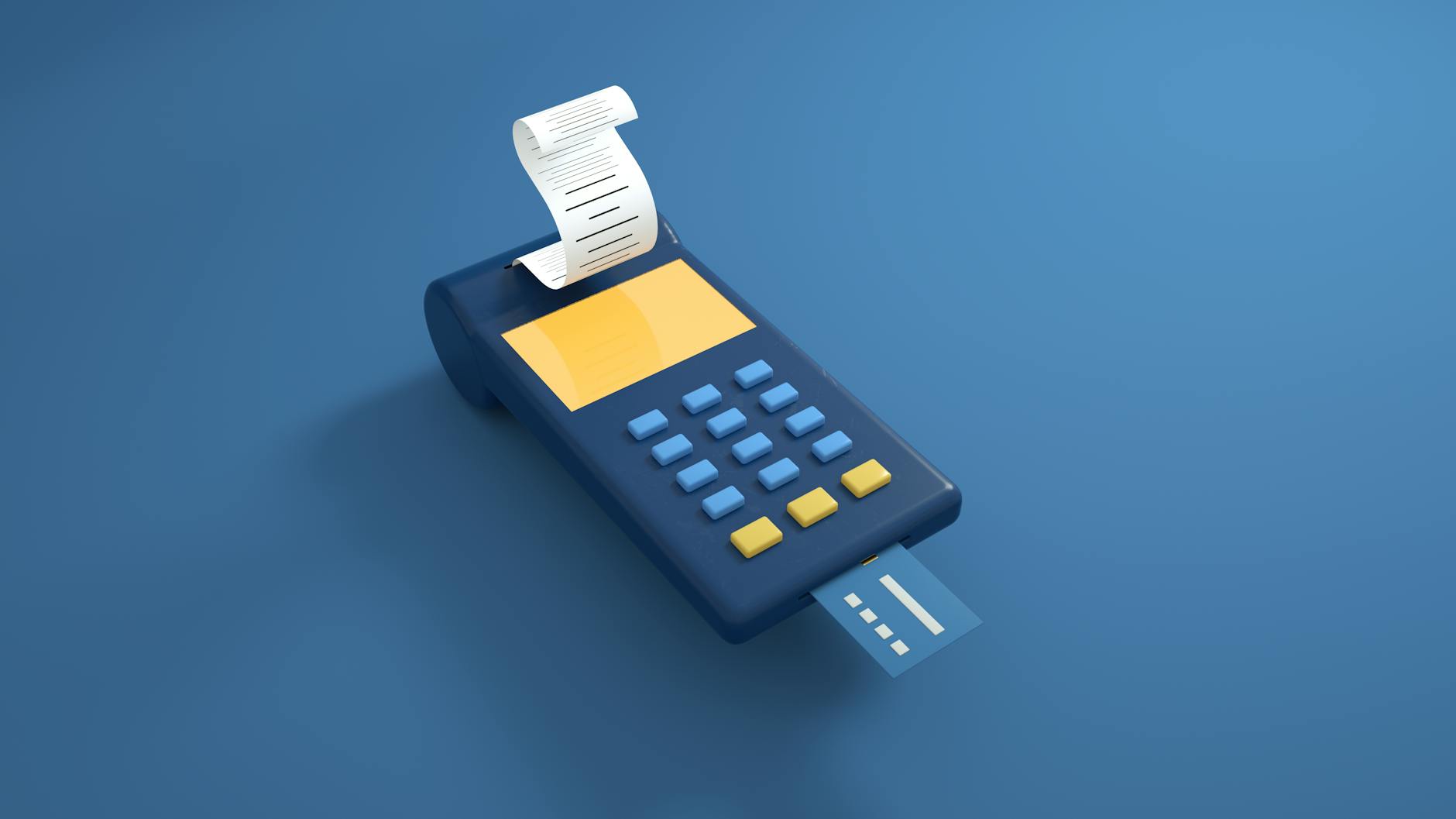
🏦 Trading Systems, Payment Rails, and Financial APIs
From algorithmic trading platforms to neobank backends — Viprasol has built the full spectrum of fintech. Senior engineers, no junior handoffs, verified track record.
- MT4/MT5 EA development for prop firms and hedge funds
- Custom payment gateway and wallet systems
- Regulatory reporting automation (MiFID, EMIR)
- Free fintech architecture consultation
Key Technical Considerations for Integration
Regardless of which payment gateway you choose, several technical considerations determine integration success:
The first is PCI compliance. You never want direct access to full credit card numbers. Both Stripe and PayPal use tokenization—they give you a token representing the payment method, and you use that token for future transactions. This keeps you out of the PCI compliance nightmare.
The second is webhook handling. Payment processors send asynchronous events to your application when payments complete, fail, or are disputed. You need reliable webhook handlers that process these events correctly and handle retries when your server is unavailable.
The third is error handling and retry logic. Network connections fail, payment processors experience outages, and edge cases emerge. Your payment integration needs to handle all these scenarios gracefully. A failed payment might require retrying, notifying the user, or escalating to your customer service team.
The fourth is reconciliation. Your application's record of what was paid must match the payment processor's records. Discrepancies happen—transactions fail, refunds are issued, or payment methods are disputed. Your financial reporting must account for these scenarios.
The fifth is idempotency. If your server retries a payment request due to a timeout, you don't want to charge the customer twice. Payment processors provide idempotency keys that ensure retries result in a single charge.
The sixth is settlement and funding. When a customer pays, the funds don't instantly appear in your bank account. Most processors settle funds after 1-3 days, and some hold a reserve for potential chargebacks or disputes. Understand your processor's settlement schedule and reserve policy.
Integration Complexity Comparison
Different payment scenarios have dramatically different complexity levels:
A simple one-time payment requires basic integration—accept payment information, send it to the processor, handle success or failure. This might take a day or two to implement.
Recurring subscriptions add complexity. You need to store the customer's payment method, charge them repeatedly on a schedule, handle failed charges with retry logic, and provide subscription management in your application (pause, resume, upgrade, downgrade, cancel).
Marketplace payments multiply complexity. You're routing payments from buyers to multiple sellers, handling commission calculations, managing seller payouts, and handling disputes where neither party is happy. A marketplace integration can take weeks.
International payments add regional payment method requirements. A customer in Brazil might expect boleto payments. A customer in China might expect Alipay. Each region has preferred payment methods, and supporting them all is complex.
Fraud detection adds another layer. You need to evaluate transaction risk, potentially challenge suspicious transactions, and handle chargebacks when fraud occurs.
Planning Your Payment Integration
Before selecting a payment gateway, clarify your requirements:
What payment types do you need to accept? Just credit cards, or also bank transfers, digital wallets, and alternative payment methods?
What's your transaction volume? Most processors offer volume discounts, and some require minimum volumes.
What geographies do you serve? Some processors are strong globally; others are regional.
Do you need subscriptions, marketplace functionality, or specialized features? This shapes which processor makes sense.
What's your technical team's comfort with API integrations? Some processors require more sophistication than others.
What's your fraud risk profile? Some payment types require more fraud protection than others.
At Viprasol, we help clients navigate these questions and select the right payment processor for their specific situation. We've integrated Stripe, PayPal, Adyen, and dozens of other processors into web applications, SaaS platforms, and cloud-native solutions.
Building a Reliable Payment System
Integrating a payment gateway is only the first step. Building a reliable payment system requires additional components:
Your application needs to store customers' payment methods securely. You shouldn't store credit card numbers, but you need to store tokens that represent those payment methods so customers don't have to re-enter information each time.
You need comprehensive error handling. Payment failures are common and often transient. Your application should display appropriate error messages and allow customers to retry.
You need monitoring and alerting. If payment processing stops working, you need to know immediately. Monitor API response times, failure rates, and settlement discrepancies.
You need security at every layer. Encrypt sensitive data in transit and at rest. Use HTTPS exclusively. Implement rate limiting to prevent abuse. Follow your payment processor's security guidelines.
You need reconciliation processes. Regularly compare your application's records with your payment processor's records. Discrepancies indicate bugs that need fixing.
You need customer support processes. When customers have payment issues, your support team needs tools to investigate and resolve them without exposing sensitive financial information.
Common Payment Integration Challenges
Several challenges emerge repeatedly in payment integrations:
The first is handling payment method updates. Customers' payment methods expire. Cards get canceled. When a payment method fails, you need to notify the customer and provide a way to update their information.
The second is managing disputes and chargebacks. Sometimes customers claim they didn't authorize a transaction. Payment processors investigate and either credit the customer or side with you. Your system needs to handle these outcomes.
The third is currency handling. If you serve international customers, should you charge in the customer's local currency or your operating currency? Currency conversion happens automatically, but you need to understand the impact on pricing.
The fourth is reconciling refunds. When you issue a refund, your records need to be updated correctly. The payment processor processes the refund, and funds return to the customer's account, but this might take several business days.
The fifth is handling edge cases. What happens if a customer's payment fails on day 29 of a 30-day billing cycle? Do you charge them on day 30 or day 1 of the next month? These details matter.
Pricing Comparison Table
| Processor | Per-Transaction Fee | Monthly Minimum | Strength | Best For |
|---|---|---|---|---|
| Stripe | 2.9% + $0.30 | None | Developer-friendly API | Technical teams, startups |
| PayPal | 2.9% + $0.30 | None | Ecosystem trust | Global reach, B2C |
| Square | 2.6% + $0.10 | None | In-person + online | Retail + online blend |
| Adyen | 2.5% + $0 to $0.40 | Varies | Enterprise scale | High volume, complexity |
| Braintree | 2.9% + $0.30 | None | PayPal integration | Complex scenarios |
| Razorpay | 2.0% + ₹0 | None | Indian payments | India-focused businesses |
| Wise | 0.5-2% | None | International transfers | Cross-border payments |
Frequently Asked Questions
How long does payment integration typically take? Basic credit card integration takes 1-3 days. Adding subscriptions, multiple payment methods, and webhook handling adds another 1-2 weeks. Marketplace functionality or complex fraud detection can require 4-8 weeks. At Viprasol, we scope payment integration carefully based on your specific requirements.
Can I switch payment processors later? Yes, but it requires planning. You'll need to migrate customer payment methods (if stored), update your integration code, and ensure no transactions are lost during the transition. Starting with the right processor is easier than migrating later, but it's possible.
What happens during a payment processor outage? If your payment processor goes down, you can't process new payments. Some processors offer redundancy options. You might implement a fallback processor for critical payment scenarios. Most teams accept brief outages as part of using cloud services.
Do I need to be PCI compliant? Not if you use tokenization properly. If you handle raw payment card data, you need PCI DSS compliance, which is expensive and complex. By using payment processors that handle tokenization, you avoid this requirement. This is one of the major reasons to use an external payment processor rather than building your own.
How do refunds work from an accounting perspective? Refunds typically appear as negative transactions in your payment processor account. They return funds to the customer's payment method after a processing delay. From an accounting standpoint, they reduce your revenue for the period. Your accounting system needs to record refunds properly.
What about cryptocurrency payments? Cryptocurrency payment processing is available through processors like Coinbase Commerce and BTCPay. These are valuable if your customers want to pay in crypto, but most mainstream businesses don't need this yet. As of 2026, crypto payments remain a niche offering.
How do I handle payment disputes? When a customer disputes a transaction, the payment processor investigates. Gather evidence (order confirmation, shipping receipts, communication with customer) and submit it to the processor. The processor decides whether to credit the customer or support you. Your relationship with your payment processor depends partly on your dispute resolution quality.
What's the best way to secure sensitive payment data? Never store full card numbers. Use tokenization. Encrypt all payment-related data in transit and at rest. Use HTTPS exclusively. Follow your payment processor's security guidelines. Implement access controls so only authorized staff can access payment-related systems.
Conclusion
Payment gateway integration is simultaneously simple and complex. Simple, because excellent processors like Stripe and PayPal have done the hard work. Complex, because integrating payments reliably into your application requires attention to detail and comprehensive testing.
The right choice depends on your business model, transaction volume, geography, and technical capabilities. Most teams start with Stripe or PayPal and only explore alternatives when they outgrow these processors or need specialized functionality.
At Viprasol, we've built payment systems across the full spectrum of complexity. Whether you're launching a simple web application that accepts one-time payments, building a SaaS platform with subscription billing, or creating a marketplace with complex routing and settlement requirements, we understand the technical and business requirements.
The payment system is the foundation of your revenue model. It deserves the attention and expertise of experienced developers who understand both the technical architecture and the business implications of payment processing. If you're planning a project that involves payment processing, we'd welcome a conversation about how to get it right.
External Resources
About the Author
Viprasol Tech Team
Custom Software Development Specialists
The Viprasol Tech team specialises in algorithmic trading software, AI agent systems, and SaaS development. With 1000+ projects delivered across MT4/MT5 EAs, fintech platforms, and production AI systems, the team brings deep technical experience to every engagement.
Building Fintech Solutions?
Payment integrations, trading systems, compliance — we build fintech that passes audits.
Free consultation • No commitment • Response within 24 hours
Building fintech or trading infrastructure?
Viprasol delivers custom trading software — MT4/MT5 EAs, TradingView indicators, backtesting frameworks, and real-time execution systems. Trusted by traders and prop firms worldwide.